Table of Contents
- Introduction
- What is Brown Rice Protein?
- Brown Rice Protein Benefits: Why Choose This Plant-Based Protein Powder
- Brown Rice Protein Powder Benefits and Side Effects
- Brown Rice Protein vs Whey: Which is Right for You?
- Rice Protein for Muscle Growth and Lean Muscle Recovery
- Best Plant Protein for Sensitive Digestion
- Brown Rice Protein for Weight Management
- Sustainable Protein Powder: The Environmental Advantage
- How to Use Brown Rice Protein: Dosage
- Conclusion
- References
Introduction
The demand for plant-based protein powder has skyrocketed as more people embrace vegetarian diets, veganism, and sustainable eating practices. Among the growing roster of vegan protein powders, brown rice protein stands out as a hypoallergenic, digestible, and nutrient-rich option that supports fitness goals, healthy weight management, and overall wellness.
Whether you’re an athlete seeking rice protein for muscle growth, someone with food sensitivities looking for a gluten-free protein powder, or simply exploring vegan nutrition options, brown rice protein offers a compelling alternative to animal-based supplements. This comprehensive guide explores everything you need to know about this plant-based powerhouse.
What is Brown Rice Protein?
Brown rice protein is derived from whole grain brown rice through an enzymatic process that separates the protein from the carbohydrates. Unlike white rice, brown rice retains its nutrient-dense bran and germ layers, making it a more nutritious starting material.
The result is a fine powder packed with amino acids, the building blocks your body needs for muscle repair, immune function, and countless metabolic processes. As an allergen-free protein source, rice protein powder offers a clean, hypoallergenic supplement option for individuals with dairy, soy, or nut sensitivities.
Brown Rice Protein Benefits: Why Choose This Plant-Based Protein Powder
Complete Amino Acid Profile
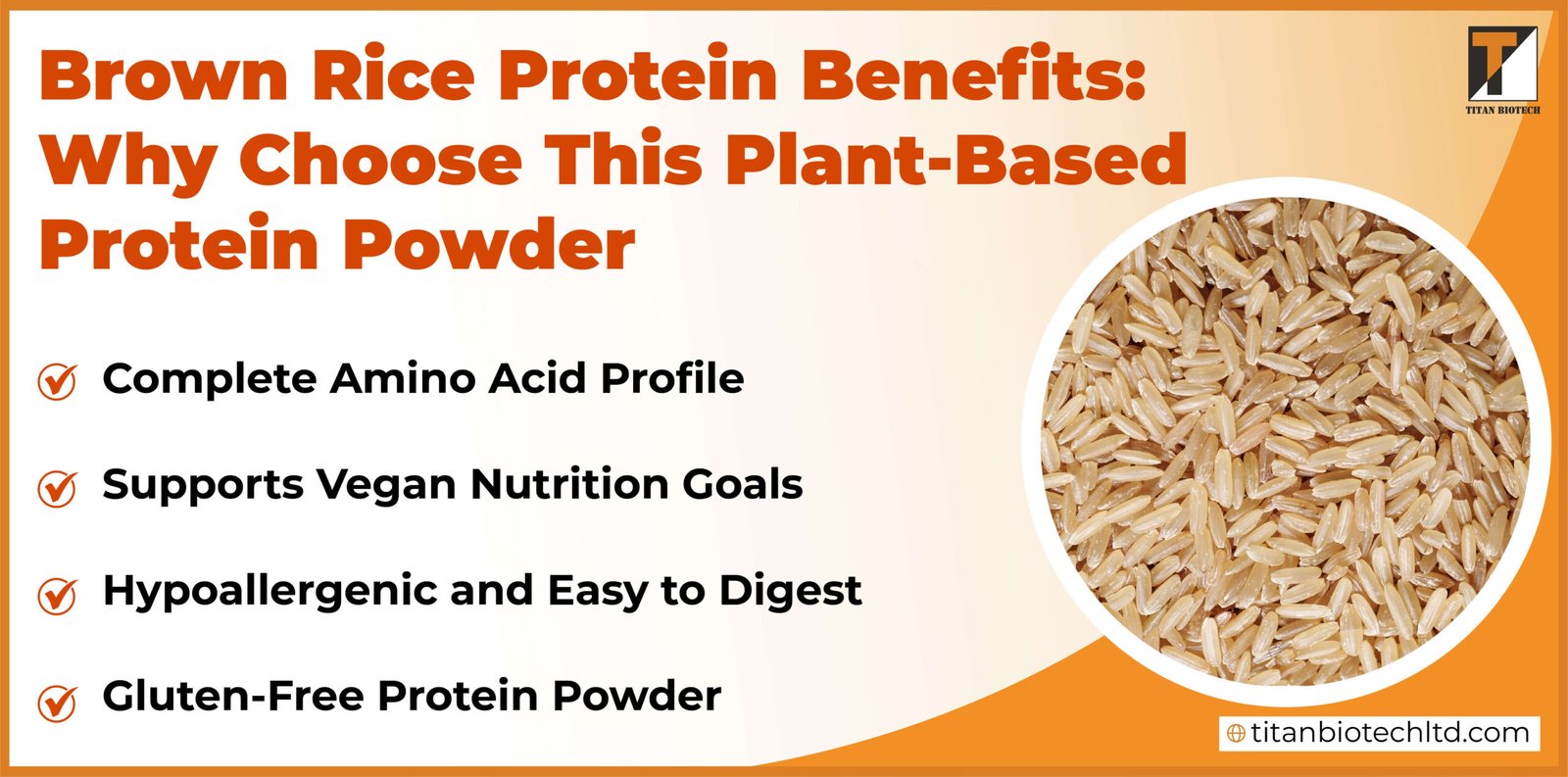
While brown rice protein isn’t technically a complete protein on its own (it’s lower in lysine), it provides all essential amino acids your body requires. Many brands enhance their formulas by blending rice protein with other plant sources, such as pea protein, to create a more balanced amino acid profile.
Supports Vegan Nutrition Goals
For those following vegetarian diets or fully plant-based lifestyles, meeting daily protein requirements can be challenging. Brown rice protein benefits include providing a convenient, concentrated vegan protein source that easily integrates into smoothies, baked goods, and meals.
Hypoallergenic and Easy to Digest
One of the standout brown rice protein benefits is its hypoallergenic nature. Unlike whey, which contains lactose and can cause digestive discomfort, and soy, which some people are sensitive to, rice protein is gentle on the stomach. This digestible plant protein is ideal for those with irritable bowel syndrome (IBS) or sensitive digestion.
Gluten-Free Protein Powder
Brown rice protein is naturally gluten-free, making it a safe choice for individuals with celiac disease or gluten intolerance. This allergen-free protein allows everyone to support their fitness and wellness goals without dietary restrictions.
Brown Rice Protein Powder Benefits and Side Effects
The Benefits
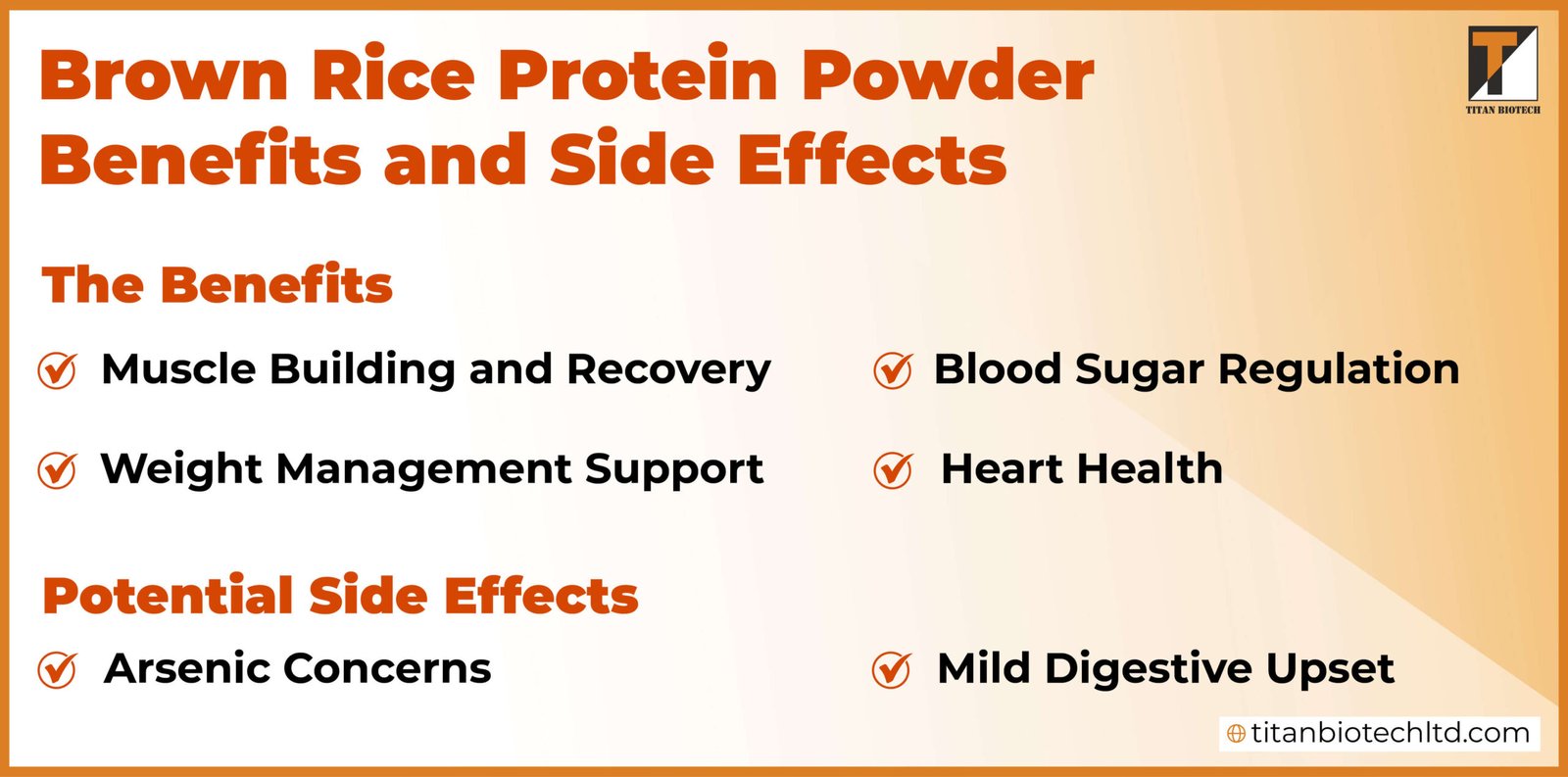
Muscle Building and Recovery: Brown rice protein contains branched-chain amino acids (BCAAs) that support lean muscle recovery after workouts. Studies suggest that rice protein can be as effective as whey for building muscle when consumed post-exercise.
Weight Management Support: High-protein diets are associated with increased satiety and improved metabolism. Brown rice protein for weight management helps you feel fuller longer, reducing overall calorie intake.
Heart Health: Plant-based proteins are linked to improved cardiovascular health markers, including lower cholesterol levels and reduced inflammation.
Blood Sugar Regulation: The protein and fibre in brown rice-based supplements can help stabilise blood sugar levels, making it beneficial for metabolic health.
Potential Side Effects
Brown rice protein is generally well-tolerated, but some individuals may experience:
- Mild digestive upset when first introducing it (start with smaller servings)
- Arsenic concerns: Brown rice can contain trace amounts of arsenic from soil. Select organic brands that conduct independent third-party testing for contaminants and heavy metals.
It’s wise to speak with your doctor or registered dietitian before adding any new supplement to your routine, particularly if you manage ongoing health concerns.
Brown Rice Protein vs Whey: Which is Right for You?
The brown rice protein vs whey debate is common among fitness enthusiasts. Here’s how they compare:
Protein Content: Whey typically contains slightly more protein per serving (20-25g) compared to rice protein (15-22g), though this varies by brand.
Amino Acid Profile: Whey is a complete protein with all essential amino acids in optimal ratios. Rice protein is lower in lysine, but can be combined with other plant sources for completeness.
Digestibility: Whey is quickly absorbed, making it ideal for post-workout recovery. Rice protein digests more slowly, providing sustained amino acid release. For those with lactose intolerance or dairy allergies, rice protein is the clear winner.
Allergen Considerations: Whey contains dairy and lactose, while rice protein is hypoallergenic, making it suitable for more dietary restrictions.
Environmental Impact: Plant-based protein powder, like rice protein, has a significantly lower carbon footprint than dairy-derived whey, supporting sustainable protein powder choices.
For muscle growth, both can be effective. Research shows that rice protein for muscle growth performs comparably to whey when consumed in adequate amounts with proper training.
Rice Protein for Muscle Growth and Lean Muscle Recovery
Can you build muscle on plant-based protein? Absolutely. Rice protein for muscle growth is backed by scientific research showing comparable results to whey protein when combined with resistance training.
A landmark 2013 study published in the Nutrition Journal by Joy et al. found that young men consuming rice protein after workouts experienced similar improvements in body composition, muscle thickness, and strength as those using whey protein. The key is consuming sufficient total protein (1.6-2.2g per kg of body weight for athletes) and ensuring adequate calorie intake.
For lean muscle recovery, rice protein provides the amino acids necessary to repair muscle tissue damaged during exercise. BCAAs, particularly leucine, trigger muscle protein synthesis, the process by which your body builds new muscle fibres.
Best Plant Protein for Sensitive Digestion
If you struggle with digestive issues from other protein powders, brown rice protein may be your solution. As a digestible plant protein and hypoallergenic vegan protein powder, it’s among the best plant protein options for sensitive digestion.
Unlike some plant proteins that contain FODMAPs (fermentable carbohydrates that trigger IBS symptoms), rice protein is typically low in these compounds. It’s also free from common allergens like dairy, soy, gluten, and nuts.
Brown Rice Protein for Weight Management
Incorporating brown rice protein for weight management into your routine can support healthy fat loss while preserving lean muscle mass. Protein increases satiety hormones and reduces hunger hormones, helping you feel satisfied with fewer calories.
Studies show that higher protein intake boosts metabolism through the thermic effect of food—your body burns more calories digesting protein than carbohydrates or fats. Additionally, maintaining muscle mass during weight loss is crucial, as muscle tissue burns more calories at rest than fat tissue.
For best results, combine rice protein powder with whole foods, regular exercise, and a balanced diet. A protein shake can replace a high-calorie snack or supplement a light meal to keep you on track with your weight goal.
Sustainable Protein Powder: The Environmental Advantage
Choosing plant-based protein powder isn’t just about personal health—it’s about planetary health too. Brown rice protein is a sustainable protein powder option with a much smaller environmental footprint than animal-based proteins.
Rice cultivation requires less water than dairy farming, produces fewer greenhouse gas emissions, and doesn’t contribute to deforestation. For environmentally conscious consumers, selecting vegan protein powder aligns personal wellness with ecological responsibility.
Look for brands that prioritise organic farming, ethical sourcing, and minimal packaging to maximise your positive impact.
How to Use Brown Rice Protein: Dosage
Recommended Dosage: Most people benefit from 20-30 grams of protein per serving, which typically equals one to two scoops of rice protein powder. Athletes and highly active individuals may need more, while sedentary people may need less.
Conclusion
Brown rice protein has earned its place as a leading plant-based protein powder for good reason. With its impressive amino acid profile, hypoallergenic properties, and suitability for sensitive digestion, it offers a versatile solution for anyone seeking vegan nutrition support.
Whether you’re comparing brown rice protein vs whey, looking for rice protein for muscle growth, or seeking a gluten-free protein powder that supports weight management, this plant-based powerhouse delivers. Its digestibility, allergen-free nature, and environmental sustainability make it an excellent choice for health-conscious consumers.
As with any supplement, quality matters. Choose organic, third-party tested brands that screen for heavy metals and prioritise clean ingredients. Combined with a balanced diet and active lifestyle, brown rice protein can help you achieve your health and fitness goals while supporting a more sustainable future.
Ready to power your plant-based journey? Brown rice protein might be the missing piece in your vegan protein puzzle.
References
Joy, J. M., Lowery, R. P., Wilson, J. M., et al. (2013). “The effects of 8 weeks of whey or rice protein supplementation on body composition and exercise performance.” Nutrition Journal, 12, 86.
Note: This article is based on established scientific research, nutritional guidelines, and evidence-based health information. The references cited reflect general scientific consensus on plant-based protein, amino acid profiles, muscle protein synthesis, and nutritional science. Readers should consult healthcare professionals before making significant dietary changes or starting new supplements.